Course Code: SPM
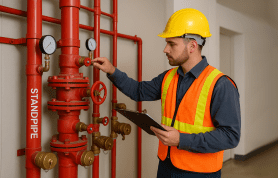
The Standpipe Systems Maintenance course provides students with an in-depth understanding of the design, function, and maintenance requirements of standpipe systems used in buildings for firefighting operations. This course is based on the National Fire Protection Association (NFPA) standards and New York City Fire Department (FDNY) regulations that ensure the safety and readiness of these critical life-safety systems.
Students will learn how to perform regular inspections, testing, and maintenance to keep standpipe systems in compliance with local codes. The course also covers the operation of Class I, II, and III standpipe systems, identification of system components, pressure regulation, and emergency response procedures. Participants will gain the technical skills and legal knowledge required to maintain system integrity and protect both building occupants and first responders during emergencies.
What you will learn in this course:
• Fundamentals of standpipe system design and operation
• Standpipe classifications (Class I, II, and III)
• Inspection, testing, and maintenance procedures
• NFPA and FDNY standpipe code requirements
• Identification of valves, piping, and pressure devices
• Troubleshooting common system deficiencies
• Recordkeeping and documentation requirements
• Safety and emergency operation procedures
• Coordination with fire departments and first responders
• Fire prevention and system integrity management
RESPONSIBILITY OF THE BUILDING OWNER: It shall be the building owner’s responsibility to maintain the standpipe system and to determine the individual qualifications and competencies of the COF holder that performs the functions related to inspection, testing and maintenance of such standpipe system.
Section : Morning 1 Week | Section : Afternoon 2 Weeks | Section: Evening 2 Weeks | Section: Weekend 4 Weeks |
||||
| Jan 16 | Monday-Thursday 9:00 AM-5:00 PM | Monday-Thursday 1:00 PM-4:30 PM | Monday-Thursday 6:00 PM-9:30 PM | Jan 28 | Saturday or Sunday 9:00 AM-5:00 PM | ||
| Feb 20 | Monday-Thursday 9:00 AM-5:00 PM | Monday-Thursday 1:00 PM-4:30 PM | Monday-Thursday 6:00 AM-9:30 PM | Feb 25 | Saturday or Sunday 9:00 AM-5:00 PM | ||
| Mar 31 | Monday-Thursday 9:00 AM-5:00 PM | Monday-Thursday 1:00 PM-4:30 PM | Monday-Thursday 6:00 AM-9:30 PM | Mar 18 | Saturday or Sunday 9:00 AM-5:00 PM | ||
| April 28 | Monday-Thursday 9:00 AM-5:00 PM | Monday-Thursday 1:00 PM-4:30 PM | Monday-Thursday 6:00 AM-9:30 PM | Apr 29 | Saturday or Sunday 9:00 AM-5:00 PM | ||
| May 26 | Monday-Thursday 9:00 AM-5:00 PM | Monday-Thursday 1:00 PM-4:30 PM | Monday-Thursday 6:00 AM-9:30 PM | May 27 | Saturday or Sunday 9:00 AM-5:00 PM | ||
| Jun 30 | Monday-Thursday 9:00 AM-5:00 PM | Monday-Thursday 1:00 PM-4:30 PM | Monday-Thursday 6:00 AM-9:30 PM | Jun 24 | Saturday or Sunday 9:00 AM-5:00 PM | ||
| Jul 28 | Monday-Thursday 9:00 AM-5:00 PM | Monday-Thursday 1:00 PM-4:30 PM | Monday-Thursday 6:00 AM-9:30 PM | Jul 29 | Saturday or Sunday 9:00 AM-5:00 PM | ||
| Aug 25 | Monday-Thursday 9:00 AM-5:00 PM | Monday-Thursday 1:00 PM-4:30 PM | Monday-Thursday 6:00 AM-9:30 PM | Aug 26 | Saturday or Sunday 9:00 AM-5:00 PM | ||
| Sep 30 | Monday-Thursday 9:00 AM-5:00 PM | Monday-Thursday 1:00 PM-4:30 PM | Monday-Thursday 6:00 AM-9:30 PM | Sep 30 | Saturday or Sunday 9:00 AM-5:00 PM | ||
| Oct 27 | Monday-Thursday 9:00 AM-5:00 PM | Monday-Thursday 1:00 PM-4:30 PM | Monday-Thursday 6:00 AM-9:30 PM | Oct 28 | Saturday or Sunday 9:00 AM-5:00 PM | ||
| Nov 24 | Monday-Thursday 9:00 AM-5:00 PM | Monday-Thursday 1:00 PM-4:30 PM | Monday-Thursday 6:00 AM-9:30 PM | Nov 25 | Saturday or Sunday 9:00 AM-5:00 PM | ||
| Dec 29 | Monday-Thursday 9:00 AM-5:00 PM | Monday-Thursday 1:00 PM-4:30 PM | Monday-Thursday 6:00 AM-9:30 PM | Dec 16 | Saturday or Sunday 9:00 AM-5:00 PM | ||