Course Code: F-80
The Coordinator of Fire Safety & Alarm Systems in Homeless Shelters course (F-80) is designed to prepare individuals to fulfill the fire safety responsibilities required in homeless shelters throughout New York City. The course provides students with a complete understanding of fire prevention practices, fire alarm systems, emergency evacuation procedures, and the legal duties of fire safety coordinators working under FDNY regulations.
Students will receive in-depth instruction on alarm system functionality, inspection and maintenance procedures, and documentation requirements necessary to ensure compliance with FDNY codes. Emphasis is placed on recognizing fire hazards, implementing corrective measures, and coordinating with emergency personnel during drills and real emergencies. Upon completion, participants will be qualified to take the FDNY computer-based examination for the F-80 Certificate of Fitness and perform as designated fire safety coordinators in New York City homeless shelters.
What you will learn in this course:
• FDNY rules and regulations for homeless shelter fire safety
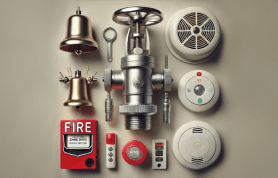
• Fire alarm system components and operation
• Daily, monthly, and annual inspection requirements
• Recordkeeping and reporting procedures
• Fire prevention and hazard identification techniques
• Emergency evacuation and fire drill coordination
• Communication with emergency response personnel
• Roles and duties of Fire Safety Coordinators
• Fire extinguisher classifications and proper use
• Preparation for the FDNY F-80 computer-based exam
Admission Requirements:
1. Be at least eighteen (18) years of age.
2. Present a valid government-issued photo identification.
3. Submit a High School Diploma, High School Equivalency (GED). Applicants who do not possess a High School Diploma or GED must successfully pass the school’s Entrance Examination.
The Graduation Diploma is valid for only one year in order to take the FDNY computer-based exam (F-80).
Section : Morning 1 Day | Section : Afternoon 2 Days | Section : Evening 2 Days | Section : Weekend 1 Saturday or 1 Sunday |
||||
| Feb 26 | Monday-Friday 9:00 AM- 6:00 PM | Monday-Friday 2:00 PM- 6:15 PM | Monday-Friday 6:00 PM- 10:15 PM | Feb 24 | Saturday or Sunday 9:00 AM-6:00 PM | ||
| Mar 26 | Monday-Friday 9:00 AM- 6:00 PM | Monday-Friday 2:00 PM- 6:15 PM | Monday-Friday 6:00 PM- 10:15 PM | Mar 30 | Saturday or Sunday 9:00 AM-6:00 PM | ||
| April 29 | Monday-Friday 9:00 AM- 6:00 PM | Monday-Friday 2:00 PM- 6:15 PM | Monday-Friday 6:00 PM- 10:15 PM | Apr 27 | Saturday or Sunday 9:00 AM-6:00 PM | ||
| May 27 | Monday-Friday 9:00 AM- 6:00 PM | Monday-Friday 2:00 PM- 6:15 PM | Monday-Friday 6:00 PM- 10:15 PM | May 25 | Saturday or Sunday 9:00 AM-6:00 PM | ||
| Jun 24 | Monday-Friday 9:00 AM- 6:00 PM | Monday-Friday 2:00 PM- 6:15 PM | Monday-Friday 6:00 PM- 10:15 PM | Jun 29 | Saturday or Sunday 9:00 AM-6:00 PM | ||
| Jul 29 | Monday-Friday 9:00 AM- 6:00 PM | Monday-Friday 2:00 PM- 6:15 PM | Monday-Friday 6:00 PM- 10:15 PM | Jul 27 | Saturday or Sunday 9:00 AM-6:00 PM | ||
| Aug 26 | Monday-Friday 9:00 AM- 6:00 PM | Monday-Friday 2:00 PM- 6:15 PM | Monday-Friday 6:00 PM- 10:15 PM | Sept28 | Saturday or Sunday 9:00 AM-6:00 PM | ||
| Sep 30 | Monday-Friday 9:00 AM- 6:00 PM | Monday-Friday 2:00 PM- 6:15 PM | Monday-Friday 6:00 PM- 10:15 PM | Oct 26 | Saturday or Sunday 9:00 AM-6:00 PM | ||
| Oct 28 | Monday-Friday 9:00 AM- 6:00 PM | Mon – Fri 9 A.M. – 4 P.M. | Monday-Friday 6:00 PM- 10:15 PM | Nov 09 | Saturday or Sunday 9:00 AM-6:00 PM | ||
| Nov 11 | Monday-Friday 9:00 AM- 6:00 PM | Monday-Friday 2:00 PM- 6:15 PM | Monday-Friday 6:00 PM- 10:15 PM | Nov 30 | Saturday or Sunday 9:00 AM-6:00 PM | ||
| Nov 25 | Monday-Friday 9:00 AM- 6:00 PM | Monday-Friday 2:00 PM- 6:15 PM | Monday-Friday 6:00 PM- 10:15 PM | Dec 28 | Saturday or Sunday 9:00 AM-6:00 PM | ||
| Dec 30 | Monday-Friday 9:00 AM- 6:00 PM | Monday-Friday 2:00 PM- 6:15 PM | Monday-Friday 6:00 PM- 10:15 PM | Saturday or Sunday 9:00 AM-6:00 PM | |||
F-80 Homeless Shelter Fire Safety Course Overview
Prepare for the responsibilities associated with coordinating fire prevention, alarm response, emergency procedures, drills, communication, and records in New York City homeless shelters. Effective coordination depends on the premises fire-safety plan, trained staff, functioning protection systems, accurate documentation, and prompt escalation.
What You Will Learn
Fire Prevention and Coordinator Responsibilities
Review hazard recognition, housekeeping, exits, combustible materials, ignition controls, daily awareness, corrective reporting, staff coordination, occupant considerations, and shift turnover.
Fire Alarm Systems and Impairments
Understand basic alarm functions, initiating and notification devices, control equipment, alarm, trouble and supervisory signals, testing and maintenance awareness, impairments, notifications, and authorized restoration.
Emergency Plans, Evacuation and Drills
Address alarm response, emergency communication, evacuation routes, accountability, assistance needs, drills, fire-department access, emergency responder coordination, and post-event actions.
Inspections, Logs and Exam Preparation
Review inspection awareness, fire-protection equipment, required logs, drill and incident records, corrective actions, certificate responsibilities, professional conduct, and preparation for the F-80 examination process.
Training Completion Is Not an FDNY Certificate of Fitness
This course supports preparation. Candidates must independently meet current FDNY application and examination requirements. Site designation, permitted duties, certificate status, renewals, and employment remain subject to FDNY, employer, and premises requirements.
Frequently Asked Questions
What is the Coordinator of Fire Safety and Alarm Systems in Homeless Shelters course?
It is a training course covering fire prevention, alarm-system awareness, inspections, emergency procedures, drills, records, hazard reporting, and coordinator responsibilities in New York City homeless shelters.
What is the course code?
The course code shown on the page is F-80.
Who should take this course?
It is intended for individuals preparing for fire-safety coordinator responsibilities in NYC homeless shelters. Confirm current FDNY eligibility, training, examination, employment, and premises-specific requirements.
Does the course prepare students for the FDNY F-80 examination?
The page states that the course provides preparation for the FDNY computer-based F-80 Certificate of Fitness examination. Training completion does not guarantee eligibility, admission to the exam, a passing score, certificate issuance, or employment.
Does completing the course automatically provide an F-80 Certificate of Fitness?
No. A school completion document is separate from an FDNY Certificate of Fitness. Candidates must satisfy current FDNY application, identification, fee, examination, documentation, and any employer or premises requirements.
What fire-alarm topics are covered?
Topics include alarm-system purpose and basic operation, initiating devices, notification appliances, control equipment, trouble and supervisory conditions, testing and maintenance awareness, impairment reporting, documentation, and emergency communication.
What fire-prevention topics are included?
The course reviews hazard recognition, housekeeping, exits, egress, combustible materials, ignition sources, fire-protection equipment awareness, corrective reporting, occupant safety, and coordination with shelter personnel.
Are evacuation procedures and drills covered?
Yes. The course addresses emergency plans, alarm response, evacuation coordination, accountability, assistance considerations, drills, communication, documentation, and interaction with emergency responders.
Does the course authorize students to repair fire-alarm systems?
No repair, installation, alteration, inspection, testing, or maintenance authorization should be assumed. Those tasks may require licensed contractors, qualified technicians, approved procedures, and coordination with responsible building personnel.
What should happen when an alarm system is impaired?
Follow the current site plan and required notification, documentation, interim safety, fire-watch, restoration, and escalation procedures. Do not silence, reset, bypass, or modify equipment unless trained and authorized.
Why is recordkeeping important?
Accurate logs can document inspections, tests, drills, incidents, impairments, corrective actions, notifications, visitor or resident considerations, and shift turnover. Use the forms and retention rules required for the premises.
How much does the course cost?
The supplied page currently lists a total cost of $500. Confirm current tuition, examination-fee inclusions, schedule, payment terms, refunds, and availability directly with IDI.
What are the admission requirements?
The page lists a minimum age of eighteen, valid government-issued photo identification, and high-school diploma, equivalency, or school entrance-examination provisions. Confirm the current policy with IDI.
Does the course guarantee work as a fire safety coordinator?
No employment, site designation, exam result, Certificate of Fitness, salary, or continued eligibility is guaranteed. Employers and authorities determine job and premises requirements.
Are current FDNY rules included?
The course addresses FDNY-related concepts, but rules, forms, fees, study materials, certificates, renewals, and premises requirements can change. Verify current information directly with FDNY and the employer.
How can I confirm the next class?
Review the schedule table on the page and contact IDI to verify the current start date, section, delivery format, tuition, examination preparation, and seat availability.